DIY troubleshooter · causes ranked by how often each turns out to be the problem, in our judgment (no dataset ranks them)
Water pools around the indoor unit, drips from the ceiling near the air handler, or the drain pan overflows. An AC pulls water out of humid air and sends it down a drain line, so in muggy weather a blocked line shows up within hours.
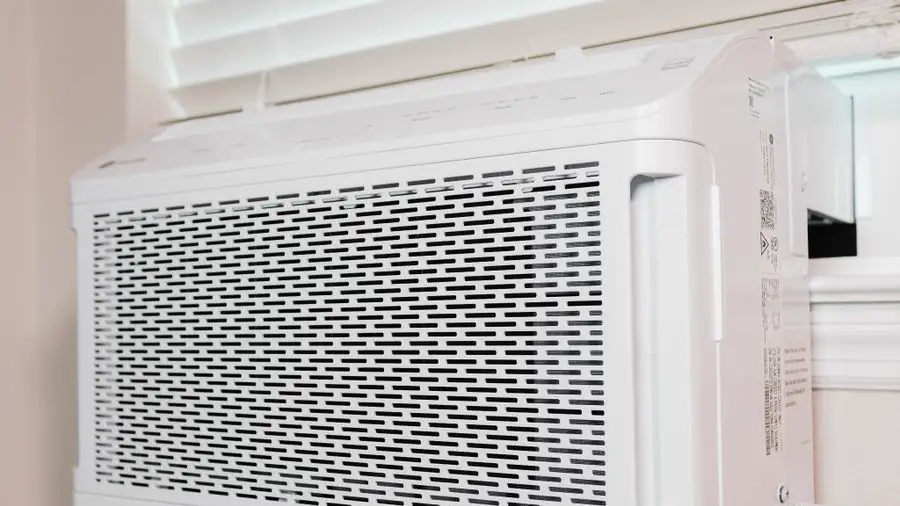
36-second explainer. Why an AC drips and the safe first steps before water damage starts.Stock footage via Pexels. Music: “Spasm” by Suedey (Jamendo, CC BY). All credits.Stock photo, not our work. Photo by Airam Dato-on via Pexels.
At a glance
Likely causes
5ranked, most likely first
Safe to check yourself
3free checks
Needs a technician
21 with a hard-line hazard
Pro diagnostic visit
$190median, 62 reports
Source: HVACPro analysis of 1,611 homeowner-reported quotes and invoices in public Reddit posts dated 2025-01-01 to 2026-09-29. Each price is the median of the reports for that job, and "most" is the middle half of them (25th to 75th percentile). Homeowners reported these prices and we did not verify them.
Where this happens in your system
AC leaking or dripping water: the parts this page is about
1ThermostatThe wall control. It tells the system when to run.
2Air filter on this pageCatches dust before the air reaches the blower and coil.
3Indoor unit: blower and evaporator coil on this pageThe blower moves the air; the cold coil cools it.
4Ducts and ventsCarry cooled air to the rooms and bring return air back.
5Condensate drain line, pan and float switch on this pageCarries off the water the coil pulls out of the air.
6Outdoor unit: compressor, fan and condenser coilMoves the heat from your house to the outdoors.
7Breaker panel and outdoor disconnectThe power feed to the system, and its local shut-off.
8Refrigerant linesTwo copper lines that link the indoor coil to the outdoor unit.
Simplified drawing, not to scale. Real systems vary: the indoor unit can sit in an attic or closet, the ducts can run in the attic or under the floor. Original illustration, not a photo.
How to checkFind the PVC drain line that leaves the indoor unit, usually ending outside near the condenser. Slime, algae, or a dripping pan under the coil means the line is backing up.
Typical repair costFree to check. If you hire a pro instead: Condensate drain line or pump: Median $600 (most $440–$1,000), 15 homeowner reports
How to checkShine a light under the coil. A rust-stained pan with standing water, or water on the floor while the drain line is clear, points to a rusted or cracked pan.
How to checkWater shows up after the system has run for hours or after it was off. A clogged filter drops airflow, the coil ices, and the ice melts faster than the pan drains.
How to checkA float switch is a small safety device in the drain pan that shuts the system off when the pan fills. If the system stopped cooling and there is water in the pan, the switch may be doing its job or may have failed.
Typical repair costCondensate drain line or pump: Median $600 (most $440–$1,000), 15 homeowner reports
Ranks are editorial, not measured. A price is what homeowners reported for that one part or job, not a quote for the cause on that row, and a cause can involve more than one part. Source: HVACPro analysis of 1,611 homeowner-reported quotes and invoices in public Reddit posts dated 2025-01-01 to 2026-09-29. Each price is the median of the reports for that job, and "most" is the middle half of them (25th to 75th percentile). Homeowners reported these prices and we did not verify them.
$190
Median pro diagnostic visit, from 62 homeowner reports
Source: HVACPro analysis of 1,611 homeowner-reported quotes and invoices in public Reddit posts dated 2025-01-01 to 2026-09-29. Each price is the median of the reports for that job, and "most" is the middle half of them (25th to 75th percentile). Homeowners reported these prices and we did not verify them.
Safe to do yourself
These checks need no tools beyond a screwdriver, a hose, or a vacuum. Do them in this order.
1
1. Clogged condensate drain line
Free to check
Turn the system off at the thermostat and at the air handler breaker.
Find the cleanout tee on the drain line, a short vertical PVC pipe with a cap, near the indoor unit.
Pull the cap and pour in a cup of distilled white vinegar; let it sit for 30 minutes.
Clear the outdoor end of the line with a wet/dry vacuum held against the pipe for a minute or two.
Flush with a quart of water, replace the cap, and restore power.
5 Condensate drain line, pan and float switch
2
2. Overflowing or cracked drain pan
Free to check
Turn the system off and mop up standing water so the wood or drywall underneath does not stay wet.
If the pan is only full because the drain was clogged, clear the line as above and check the pan again after a day.
A cracked pan must be replaced by a technician, since replacement means opening the air handler.
5 Condensate drain line, pan and float switch
3
3. Dirty filter freezing the coil, then melting
Free to check
Turn the system off and leave it off for 3 to 4 hours so the coil thaws fully.
Replace the filter.
Restart on Cool and watch the copper suction line for frost after an hour.
2 Air filter
The hard line: stop here and call a pro
The causes below are not DIY, and we give no repair steps for them. Each carries a specific danger.
Do not jump or bypass a float switch. It is the device that stops the system before the pan overflows into your ceiling; wiring around it can turn a small leak into ceiling collapse and mold.
HVACPro is a free referral service for homeowners, not an HVAC company. We don't do the work, and we may be paid by the contractor. Check any contractor's license on the state's lookup before you hire.
Pick your city
Every city below has an A-to-Z list of the businesses with an active Florida HVAC license there. The number on each chip is that count.
A pro visit starts with a diagnostic fee. Homeowners reported: Median $190 (most $100–$290), 62 homeowner reports. The repairs behind the causes on this page:
AC leaking or dripping water: repair prices homeowners reported
Middle half of reports Median
Condensate drain line or pump N = 15
$600$440–$1,000
Refrigerant leak repair N = 32
$1,320$800–$3,000
Refrigerant recharge N = 48
$690$460–$1,200
Reported price, U.S. dollars
Source: HVACPro analysis of 1,611 homeowner-reported quotes and invoices in public Reddit posts dated 2025-01-01 to 2026-09-29. Each price is the median of the reports for that job, and "most" is the middle half of them (25th to 75th percentile). Homeowners reported these prices and we did not verify them.
Show the repair prices as a table
AC leaking or dripping water: repair prices homeowners reported
Repair
Median
Most (middle half)
Reports
Condensate drain line or pump
$600
$440–$1,000
15
Refrigerant leak repair
$1,320
$800–$3,000
32
Refrigerant recharge
$690
$460–$1,200
48
These are national prices. We do not have enough Tampa Bay outer ring reports to publish a local one.
Source: HVACPro analysis of 1,611 homeowner-reported quotes and invoices in public Reddit posts dated 2025-01-01 to 2026-09-29. Each price is the median of the reports for that job, and "most" is the middle half of them (25th to 75th percentile). Homeowners reported these prices and we did not verify them.
3free checks you can do yourself
2causes that need a technician
1hard-line hazard: pro only
Utility rebates
No utility rebate applies to this repair. The programs on file pay for replacement equipment or a tune-up, not for a repair like this one.
Trane lists four main causes of a central AC leaking water indoors: a corroded, cracked, or debris-filled drain pan, a clogged condensate drain line, a frozen evaporator coil, and a problem with the outdoor condenser unit. The cooling cycle generates condensation, and the drain line and pan carry that water away from the indoor unit.
Regular filter changes help you avoid a frozen coil. ENERGY STAR notes that a plugged drain can cause water damage in the house.
Turn the AC off first. Remove the cap from the drain line and look for debris. Loosen it with a wire brush or pull it out with a wet/dry vacuum.
Pour in diluted vinegar or a cleaner made for PVC, let it sit for 30 minutes or longer, then flush the line with water and clean the drain pan. If the clog stays, call a technician, who will have the proper tools.
Is it safe to keep running the AC if it is leaking?
Turn it off and call for repair. Trane says continuing to run a leaking AC could damage the system.
Where a condensate overflow switch is installed, it shuts down the outdoor compressor, the condenser fan, and the indoor supply fan when it detects a potential overflow. EPA says water-damaged areas and items should be dried within 24 to 48 hours to prevent mold growth, so dry any wet area right away and keep the drain line clear.