1
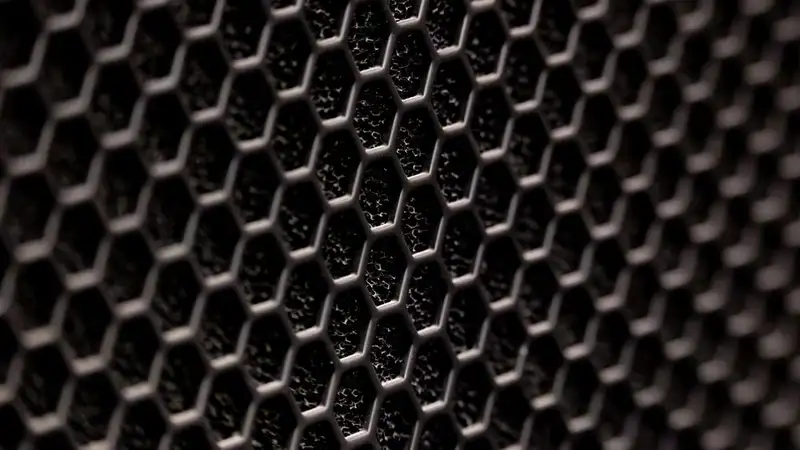
Dirty filter or restricted airflow
You, safely2Part on the diagramHow to checkPoor airflow overheats the evaporator and safety controls, or freezes it. Check the filter and that all registers are open.
Typical repair costFree to check.
DIY troubleshooter · causes ranked by how often each turns out to be the problem, in our judgment (no dataset ranks them)
The AC starts, runs a few minutes, shuts off, and starts again. A normal cooling cycle runs 10 to 20 minutes or longer in hot weather; very short runs mean something is stopping the system early.
Source: HVACPro analysis of 1,611 homeowner-reported quotes and invoices in public Reddit posts dated 2025-01-01 to 2026-09-29. Each price is the median of the reports for that job, and "most" is the middle half of them (25th to 75th percentile). Homeowners reported these prices and we did not verify them.
Simplified drawing, not to scale. Real systems vary: the indoor unit can sit in an attic or closet, the ducts can run in the attic or under the floor. Original illustration, not a photo.
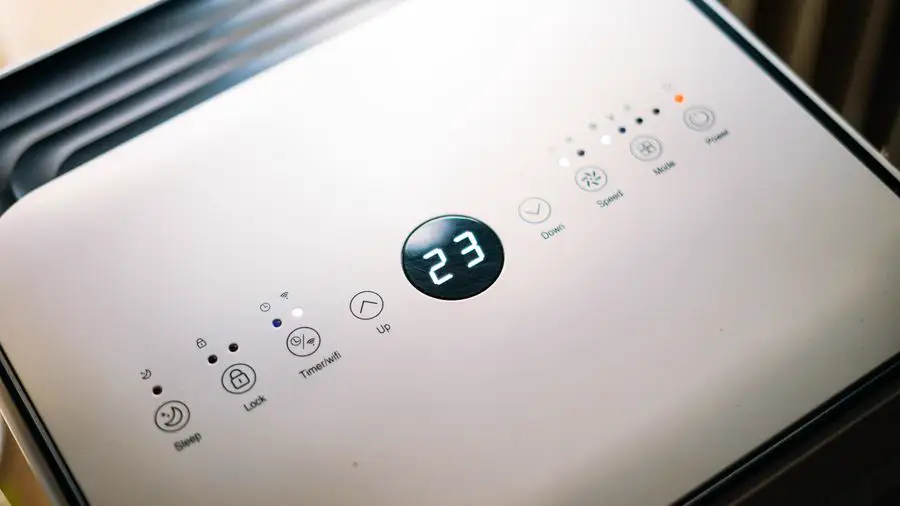
Stock photo, not our work. Photo by Anh-Bao Tran-Le via Pexels.
How to checkPoor airflow overheats the evaporator and safety controls, or freezes it. Check the filter and that all registers are open.
Typical repair costFree to check.
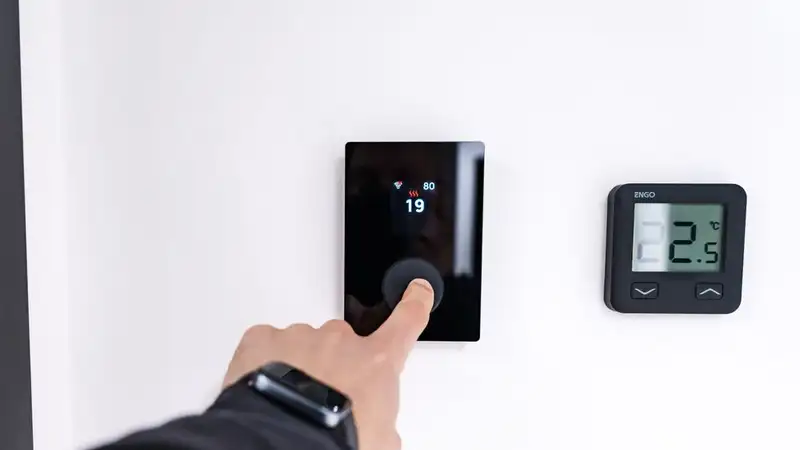
How to checkA thermostat in direct sun, next to a supply vent, or on a hot kitchen wall reads too cool or too warm and shuts the system off early. A differential set too small also causes rapid cycling.
Typical repair costFree to check.
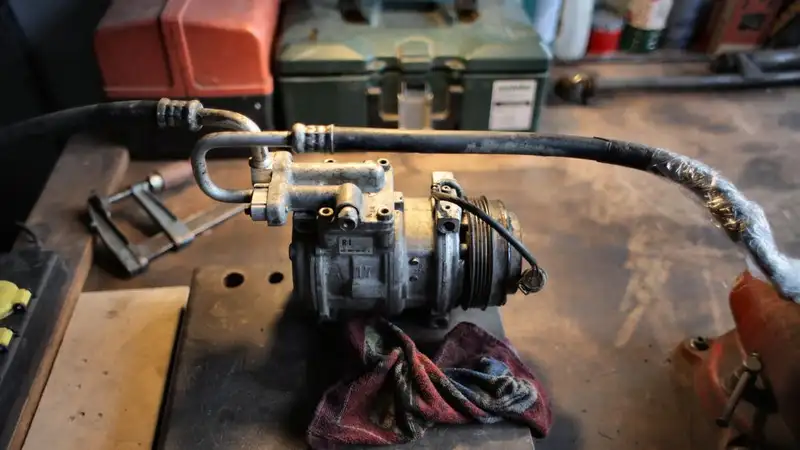
How to checkThe outdoor unit shuts off on high pressure or overload before the house cools, then restarts after cooling. Dirt or debris on the fins is a frequent trigger.
Typical repair costFree to check.
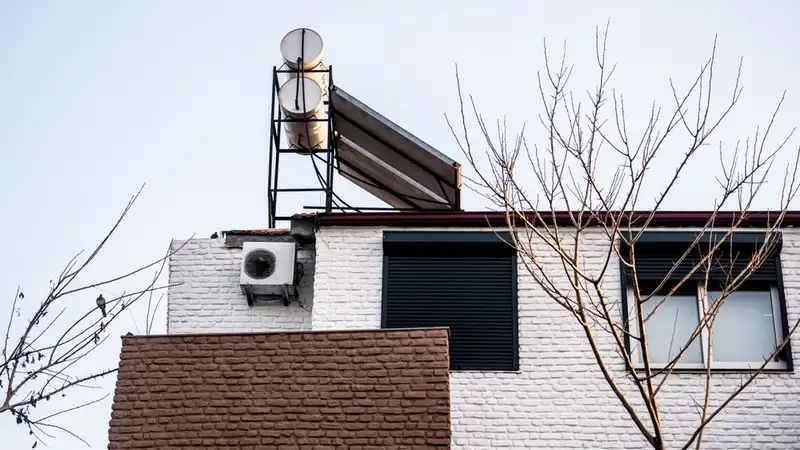
How to checkA system installed with too much capacity cools the air fast and shuts off before it removes humidity. Cycles under 5 minutes with a muggy house point here. Only a load calculation proves it.
Typical repair costFull system (outdoor unit plus air handler or furnace and coil): Median $13,780 (most $10,000–$18,000), 402 homeowner reports
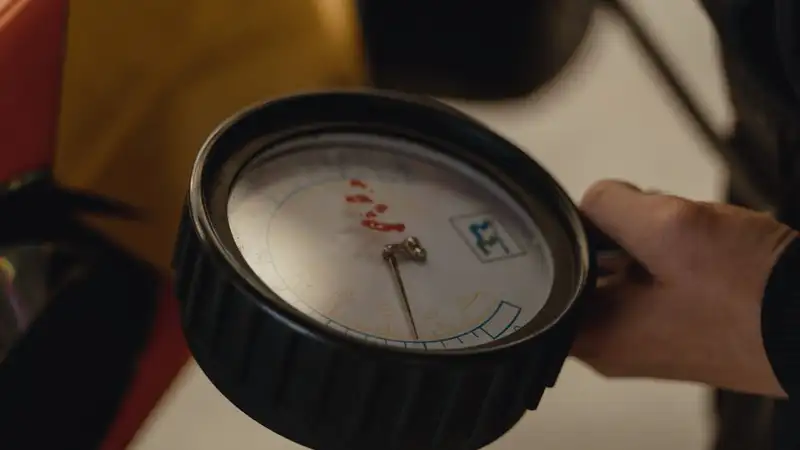
How to checkCycling that started suddenly or worsens over days, with weak cooling, suggests a pressure problem inside the sealed system.
Typical repair costRefrigerant leak repair: Median $1,320 (most $800–$3,000), 32 homeowner reports; Refrigerant recharge: Median $690 (most $460–$1,200), 48 homeowner reports
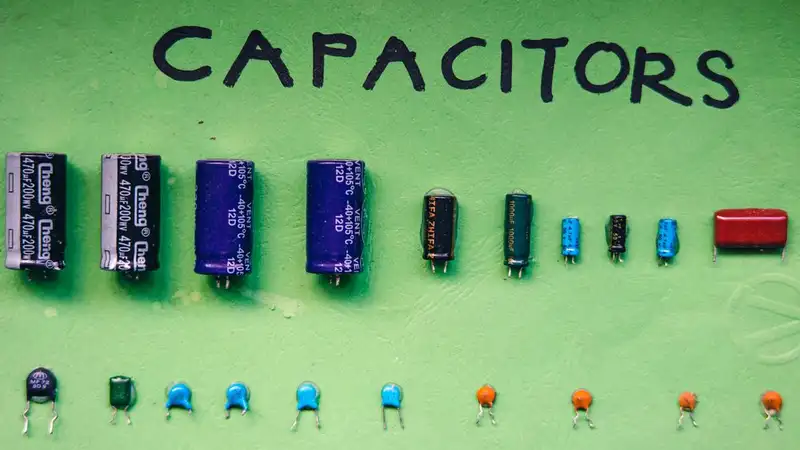
How to checkThe outdoor unit starts, hums, and shuts off, and the compressor may be hot to the touch. The compressor's thermal overload trips and resets on a loop.
Typical repair costCapacitor: Median $310 (most $220–$400), 26 homeowner reports; Compressor: Median $3,000 (most $1,900–$4,000), 43 homeowner reports
Ranks are editorial, not measured. A price is what homeowners reported for that one part or job, not a quote for the cause on that row, and a cause can involve more than one part. Source: HVACPro analysis of 1,611 homeowner-reported quotes and invoices in public Reddit posts dated 2025-01-01 to 2026-09-29. Each price is the median of the reports for that job, and "most" is the middle half of them (25th to 75th percentile). Homeowners reported these prices and we did not verify them.
$190
Median pro diagnostic visit, from 62 homeowner reports
Source: HVACPro analysis of 1,611 homeowner-reported quotes and invoices in public Reddit posts dated 2025-01-01 to 2026-09-29. Each price is the median of the reports for that job, and "most" is the middle half of them (25th to 75th percentile). Homeowners reported these prices and we did not verify them.
These checks need no tools beyond a screwdriver, a hose, or a vacuum. Do them in this order.
2 Air filter
1 Thermostat
6 Outdoor unit: compressor, fan and condenser coil
The causes below are not DIY, and we give no repair steps for them. Each carries a specific danger.
Source: Stationary Refrigeration and Air Conditioning (Clean Air Act Section 608), 2026-09-30; retrieved 2026-09-30.
There is no homeowner fix, and no repair helps. A pro can confirm sizing with a Manual J load calculation; do not buy a replacement based on cycling alone.
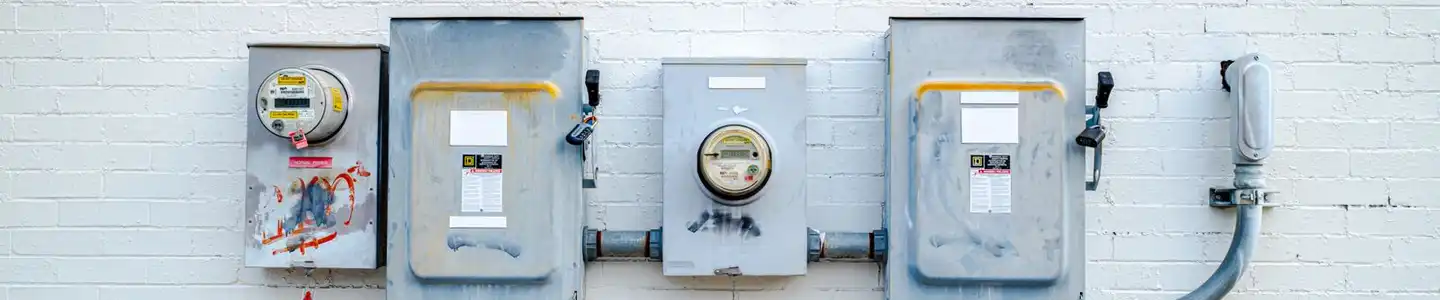
Stock photo, not our work. Photo by Bingqian Li via Pexels.
Open
Need a licensed HVAC pro in the Tampa Bay outer ring? Call and we'll connect you with a licensed local contractor.
HVACPro is a free referral service for homeowners, not an HVAC company. We don't do the work, and we may be paid by the contractor. Check any contractor's license on the state's lookup before you hire.
Every city below has an A-to-Z list of the businesses with an active Florida HVAC license there. The number on each chip is that count.
Counts: businesses with an active license and a city address in the Tampa Bay outer ring, from FL DBPR construction licensee extract (CONSTRUCTIONLICENSE_1.csv), retrieved 2026-10-05. A license says the state permits the work, not that the work is good.
A pro visit starts with a diagnostic fee. Homeowners reported: Median $190 (most $100–$290), 62 homeowner reports. The repairs behind the causes on this page:
Reported price, U.S. dollars
Source: HVACPro analysis of 1,611 homeowner-reported quotes and invoices in public Reddit posts dated 2025-01-01 to 2026-09-29. Each price is the median of the reports for that job, and "most" is the middle half of them (25th to 75th percentile). Homeowners reported these prices and we did not verify them.
| Repair | Median | Most (middle half) | Reports |
|---|---|---|---|
| Full system (outdoor unit plus air handler or furnace and coil) | $13,780 | $10,000–$18,000 | 402 |
| Refrigerant leak repair | $1,320 | $800–$3,000 | 32 |
| Refrigerant recharge | $690 | $460–$1,200 | 48 |
| Capacitor | $310 | $220–$400 | 26 |
| Compressor | $3,000 | $1,900–$4,000 | 43 |
These are national prices. We do not have enough Tampa Bay outer ring reports to publish a local one.
If the repair ends in a full replacement, the closest local cut is Florida: a median of $12,000 (most $9,400–$15,600) across 55 full-system reports, against $13,650 across 588 reports nationwide. See the AC repair cost guide and the AC replacement cost guide for every repair and job we have enough reports to price.
Source: HVACPro analysis of 1,611 homeowner-reported quotes and invoices in public Reddit posts dated 2025-01-01 to 2026-09-29. Each price is the median of the reports for that job, and "most" is the middle half of them (25th to 75th percentile). Homeowners reported these prices and we did not verify them.
No utility rebate applies to this repair. The programs on file pay for replacement equipment or a tune-up, not for a repair like this one.

Stock photo, not our work. Photo by HUUM │sauna heaters via Pexels.
Carrier, Trane, and Lennox list a clogged filter, a thermostat in a poor location or malfunctioning, an oversized system, and low refrigerant from a leak. Carrier adds faulty capacitors or relays.
Check the filter, the thermostat location, and the thermostat settings first. Oversizing, refrigerant leaks, and electrical faults need an HVAC professional.
Checked against: Carrier: What Is AC Short Cycling: Causes, Effects, and Troubleshooting; Lennox: Understanding Air Conditioner Short Cycling; Trane: AC Short Cycling? Learn Why and What to Do. Pages opened 2026-09-30.
Manufacturers give different numbers. Lennox puts a normal cycle at about 10 to 20 minutes, and Carrier at 15 to 20 minutes. Trane says a working system may run only 3 to 5 minutes and be off for hours in mild weather.
Short cycling means the system shuts off before it completes the cooling cycle. Lennox says it can strain the compressor, and Carrier says it puts strain on the compressor and fan motors.
Checked against: Carrier: What Is AC Short Cycling: Causes, Effects, and Troubleshooting; Lennox: Understanding Air Conditioner Short Cycling; Trane: AC Short Cycling? Learn Why and What to Do. Pages opened 2026-09-30.
Yes. Carrier says a clogged filter restricts airflow and forces the system to overheat and shut down.
Trane says a dirty filter can lead to a dirty evaporator coil and possibly a frozen one. Check and replace the filter first.
Checked against: Carrier: What Is AC Short Cycling: Causes, Effects, and Troubleshooting; Trane: AC Short Cycling? Learn Why and What to Do. Pages opened 2026-09-30.