1
Dirty indoor filters
You, safely2Part on the diagramHow to checkOpen the front panel of the indoor head. Mesh filters coated with dust reduce airflow and cause weak cooling or icing.
Typical repair costFree to check.
DIY troubleshooter · causes ranked by how often each turns out to be the problem, in our judgment (no dataset ranks them)
Ductless mini-splits fail in a few repeatable ways: dirty filters and coils, condensate that cannot drain, remote or mode settings, and error codes that name a sensor or a communication fault. The outdoor unit and refrigerant lines are pre-charged and off limits.
Source: HVACPro analysis of 1,611 homeowner-reported quotes and invoices in public Reddit posts dated 2025-01-01 to 2026-09-29. Each price is the median of the reports for that job, and "most" is the middle half of them (25th to 75th percentile). Homeowners reported these prices and we did not verify them.
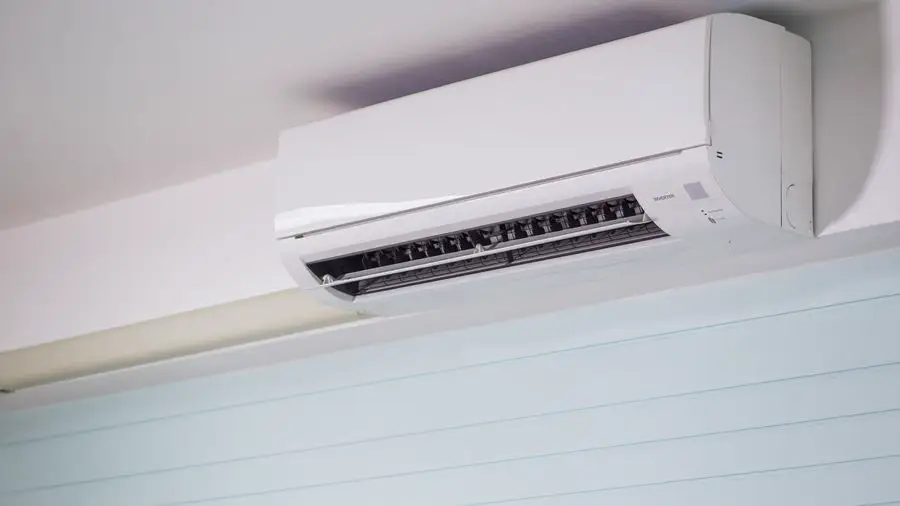
Simplified drawing, not to scale. Real systems vary: the indoor unit can sit in an attic or closet, the ducts can run in the attic or under the floor. A mini-split has no ducts or air handler: a wall-mounted indoor unit joins the outdoor unit by refrigerant lines. The filter, drain and outdoor-unit checks are the same idea. Original illustration, not a photo.
Stock photo, not our work. Photo by Alex Domínguez via Pexels.
How to checkOpen the front panel of the indoor head. Mesh filters coated with dust reduce airflow and cause weak cooling or icing.
Typical repair costFree to check.
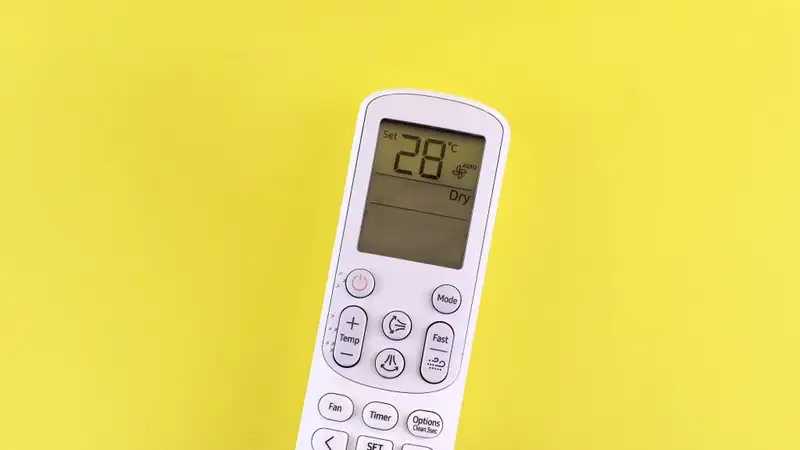
How to checkRead the remote display: Dry, Fan, or Heat modes do not cool. Dead remote batteries mean the head never gets a command. A set point above the room temperature stops the cooling.
Typical repair costFree to check.
How to checkWater dripping from the bottom of the indoor head or running down the wall, or a gurgling sound. The drain hose is a small flexible tube that clogs with algae.
Typical repair costFree to check.
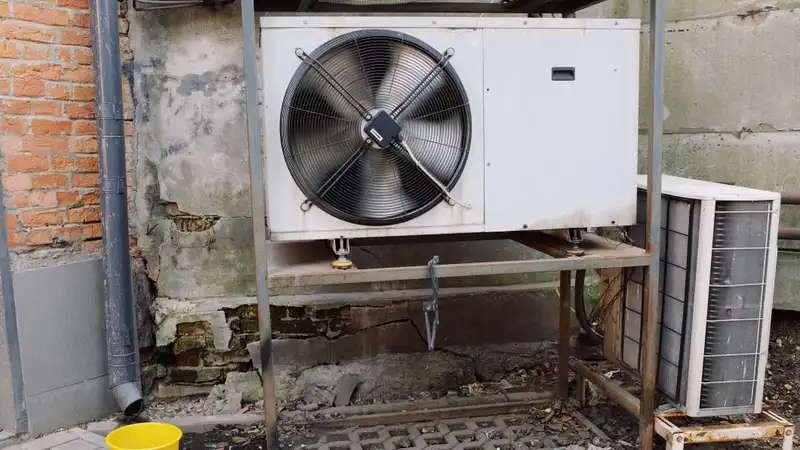
How to checkVegetation, snow, or debris around or on top of the outdoor unit.
Typical repair costFree to check.
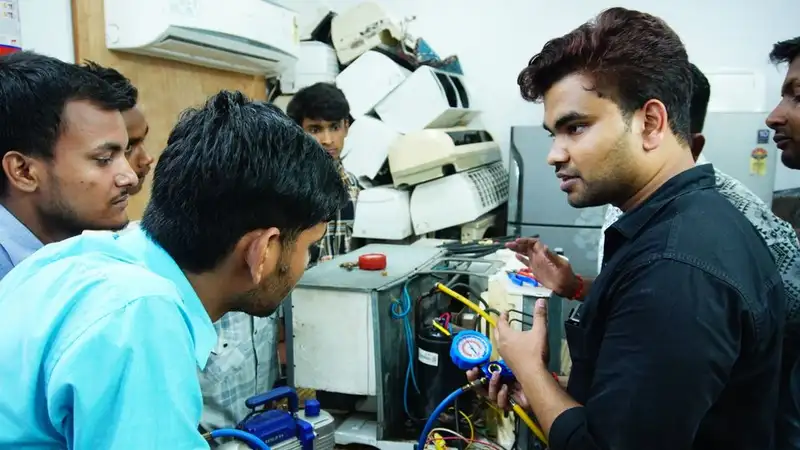
How to checkA blinking light pattern on the indoor head or a code such as E1 or F1 on the display. Codes differ by brand; match it against your model's manual.
Typical repair costNo repair price stat for this cause. A diagnostic visit runs: Median $190 (most $100–$290), 62 homeowner reports.
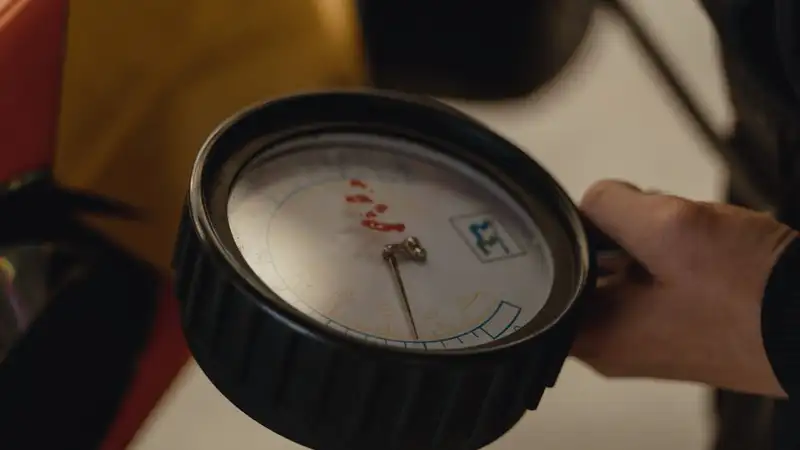
How to checkOily residue at the flare connections, the pipes iced over, or the unit blowing weakly cool. A DIY-kit install that skipped a leak test is a common source.
Typical repair costRefrigerant leak repair: Median $1,320 (most $800–$3,000), 32 homeowner reports; Refrigerant recharge: Median $690 (most $460–$1,200), 48 homeowner reports
Ranks are editorial, not measured. A price is what homeowners reported for that one part or job, not a quote for the cause on that row, and a cause can involve more than one part. The reports do not separate mini-splits from central systems, so treat these prices as a rough guide for ductless. Source: HVACPro analysis of 1,611 homeowner-reported quotes and invoices in public Reddit posts dated 2025-01-01 to 2026-09-29. Each price is the median of the reports for that job, and "most" is the middle half of them (25th to 75th percentile). Homeowners reported these prices and we did not verify them.
$190
Median pro diagnostic visit, from 62 homeowner reports
Source: HVACPro analysis of 1,611 homeowner-reported quotes and invoices in public Reddit posts dated 2025-01-01 to 2026-09-29. Each price is the median of the reports for that job, and "most" is the middle half of them (25th to 75th percentile). Homeowners reported these prices and we did not verify them.
These checks need no tools beyond a screwdriver, a hose, or a vacuum. Do them in this order.
2 Air filter
1 Thermostat
5 Condensate drain line, pan and float switch
6 Outdoor unit: compressor, fan and condenser coil
The causes below are not DIY, and we give no repair steps for them. Each carries a specific danger.
Source: Stationary Refrigeration and Air Conditioning (Clean Air Act Section 608), 2026-09-30; retrieved 2026-09-30.
Codes involving the compressor, overcurrent, or the outdoor board sit behind the outdoor unit's electrical panel, which holds line voltage and capacitors. Homeowner work stops at reading the code and resetting power once.
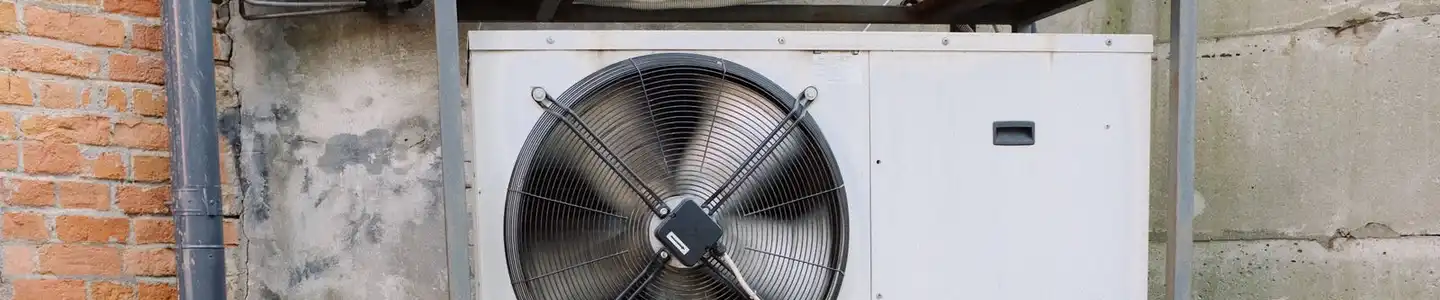
Stock photo, not our work. Photo by ready made via Pexels.
Open
Need a licensed HVAC pro in the Tampa Bay outer ring? Call and we'll connect you with a licensed local contractor.
HVACPro is a free referral service for homeowners, not an HVAC company. We don't do the work, and we may be paid by the contractor. Check any contractor's license on the state's lookup before you hire.
Every city below has an A-to-Z list of the businesses with an active Florida HVAC license there. The number on each chip is that count.
Counts: businesses with an active license and a city address in the Tampa Bay outer ring, from FL DBPR construction licensee extract (CONSTRUCTIONLICENSE_1.csv), retrieved 2026-10-05. A license says the state permits the work, not that the work is good.
A pro visit starts with a diagnostic fee. Homeowners reported: Median $190 (most $100–$290), 62 homeowner reports. The repairs behind the causes on this page:
Reported price, U.S. dollars
Source: HVACPro analysis of 1,611 homeowner-reported quotes and invoices in public Reddit posts dated 2025-01-01 to 2026-09-29. Each price is the median of the reports for that job, and "most" is the middle half of them (25th to 75th percentile). Homeowners reported these prices and we did not verify them.
| Repair | Median | Most (middle half) | Reports |
|---|---|---|---|
| Refrigerant leak repair | $1,320 | $800–$3,000 | 32 |
| Refrigerant recharge | $690 | $460–$1,200 | 48 |
These are national prices. We do not have enough Tampa Bay outer ring reports to publish a local one.
If the repair ends in a full replacement, the closest local cut is Florida: a median of $12,000 (most $9,400–$15,600) across 55 full-system reports, against $13,650 across 588 reports nationwide. See the AC repair cost guide and the AC replacement cost guide for every repair and job we have enough reports to price.
Source: HVACPro analysis of 1,611 homeowner-reported quotes and invoices in public Reddit posts dated 2025-01-01 to 2026-09-29. Each price is the median of the reports for that job, and "most" is the middle half of them (25th to 75th percentile). Homeowners reported these prices and we did not verify them.
A pro fix for this symptom can end in a replacement. If it does, these Tampa Bay outer ring utility programs pay for qualifying equipment. Confirm your utility and eligibility first.
| Program | Utility | Amount |
|---|---|---|
| Home Energy Improvement: AC replacement | Duke Energy Florida | $300 |
| Home Energy Improvement: heat pump upgrade | Duke Energy Florida | $500 |
| Home Energy Improvement: strip-heat replacement (high efficiency) | Duke Energy Florida | $600 |
| Home Energy Improvement: strip-heat replacement (higher efficiency) | Duke Energy Florida | $1,000 |
| Energy Efficient Heat Pump Rebate | Lakeland Electric | $450 (mini split $225 per condensing unit) |
| HVAC Annual Maintenance Rebate | Lakeland Electric | Up to $100 per year (the cost of the inspection) |
| Heating & Cooling Program: standard tier | Tampa Electric | $40 for SEER 16.0 / SEER2 15.2 |
| Heating & Cooling Program: high-efficiency tier | Tampa Electric | $550 for SEER 17.0 / SEER2 16.2 |
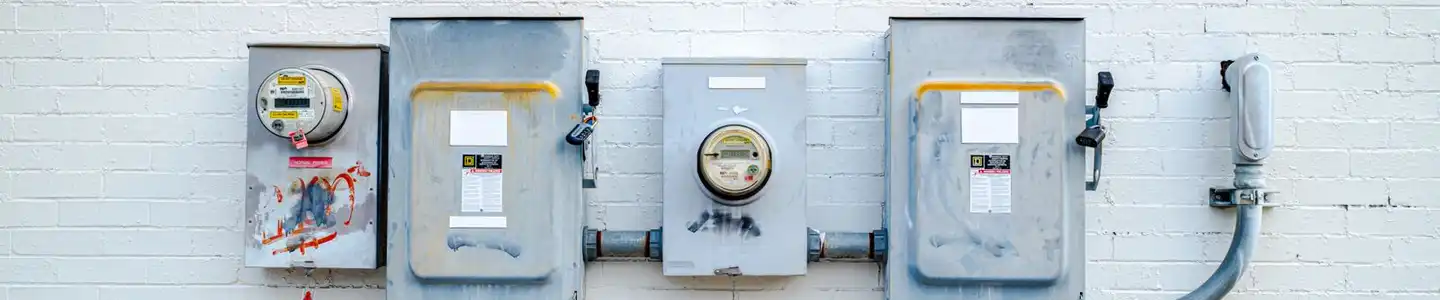
Stock photo, not our work. Photo by Anh-Bao Tran-Le via Pexels.
Set the unit to Cool with a temperature several degrees below the room temperature, then clean the indoor filters and clear debris from the outdoor unit. Trane says to trim shrubs back so they stay two feet from the outdoor unit.
Write down any error code for your technician. A refrigerant leak is one cause, and Trane says only a trained HVAC technician can find the leak, repair it, and recharge the system.
Checked against: Trane: Why Is My Mini-Split Not Cooling?. Pages opened 2026-09-30.
Turn the unit off at the remote or breaker, lift the front panel, and slide the filters out. Rinse them under lukewarm water from a faucet spray, and use a mild, non-abrasive detergent only if they are greasy. Let them dry completely, because a wet filter can promote mold growth.
Slide them back in and close the panel. Trane says to clean them as often as every two weeks in peak season and once a month otherwise. Carrier says every 4 to 6 weeks.
Follow your owner's manual.
Checked against: Carrier: What is a Mini Split Air Filter? Complete Guide & Maintenance; Trane: Do Mini-Splits Have Filters?. Pages opened 2026-09-30.
No, not without Section 608 certification. EPA's Q&A on R-410A units says adding or removing refrigerant from a mini-split as part of installation, or connecting or disconnecting hoses or pre-charged lines, requires Section 608 technician certification. That includes pre-charged line sets.
Trane lists improper installation as a cause of mini-split refrigerant leaks. Use a certified installer.
Checked against: Trane: How to Identify and Fix Mini-Split Refrigerant Issues; U.S. EPA: EPA's Refrigerant Management Program: Questions and Answers for Section 608 Certified Technicians. Pages opened 2026-09-30.