The EPA puts duct cleaning at $450 to $1,000 per system and says it has never been shown to prevent health problems.
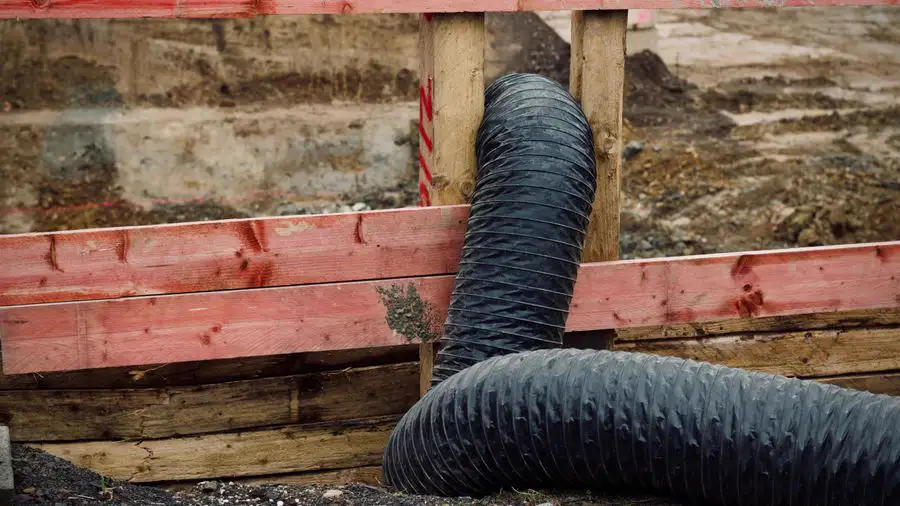
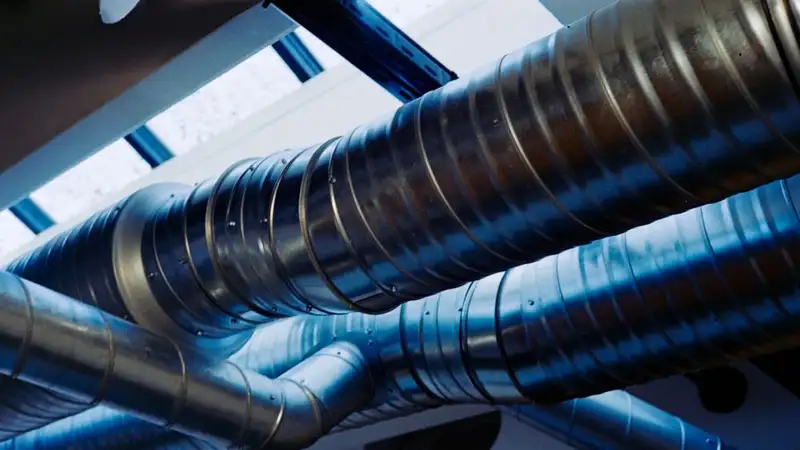
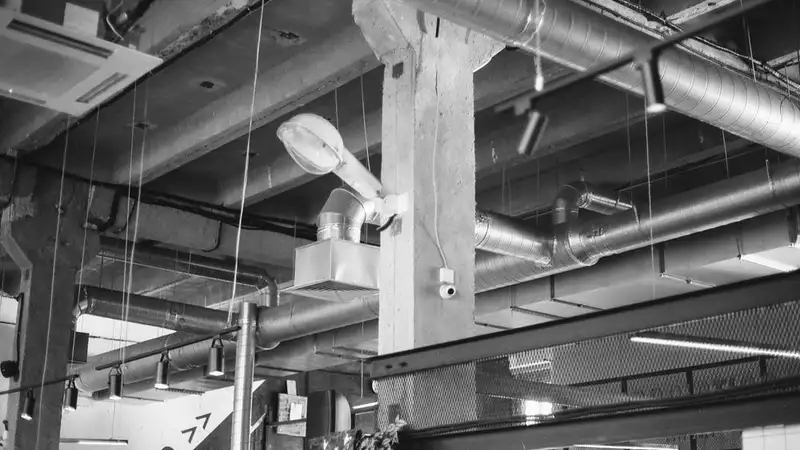
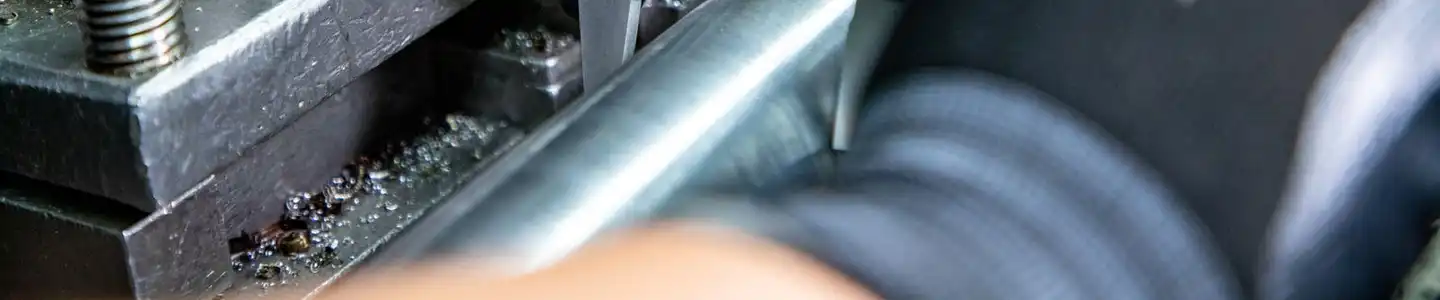
36-second explainer. What the EPA says about duct cleaning and when it is worth paying for.Stock footage via Pexels. Music: “Energy” by Pokki DJ (Jamendo, CC BY). All credits.Stock photo, not our work. Photo by Peter Dyllong via Pexels.
The EPA recommends cleaning ducts in three situations: substantial visible mold growth inside hard-surface ducts, infestation with rodents or insects, and ducts so clogged with dust that particles are released into the home. Outside those, the EPA says duct cleaning has never been shown to actually prevent health problems, and that research has not demonstrated that dirty ducts raise particle levels in the home (EPA duct cleaning).
The EPA gives $450 to $1,000 per heating and cooling system as the usual price, depending on size, access and contamination (EPA duct cleaning). Its red flags: sweeping health claims, routine cleaning sold as maintenance, and a claim of EPA certification, since the EPA neither sets duct cleaning standards nor certifies companies. It also warns about biocides and sealants, whose effectiveness and health effects research has not demonstrated, and notes there are no EPA-registered biocides for fiberglass ducts (EPA duct cleaning).
Dusty houses often have a duct leak, not a duct cleaning problem. ENERGY STAR says leaky ducts can pull particles and air from attics and crawl spaces and distribute them through the house, and that sealing the ducts may be the solution to excess dust (ENERGY STAR replacement guide). That is why the ducts page carries a price and this one carries a warning.
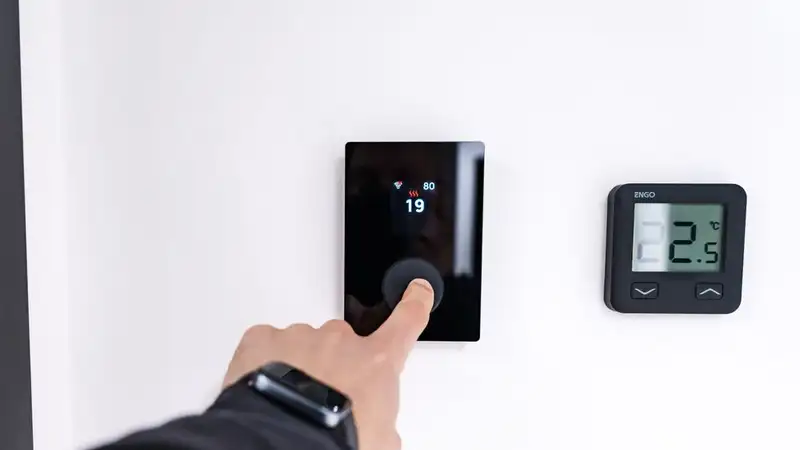
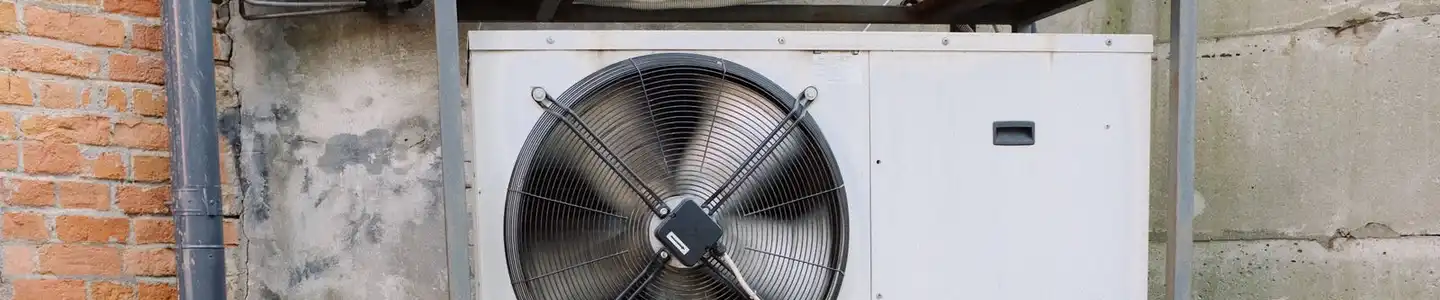
Stock photo, not our work. Photo by Arti Kh via Pexels.
Where this job sits in the system
Duct cleaning: the parts this job touches
1ThermostatThe wall control. It tells the system when to run.
2Air filterCatches dust before the air reaches the blower and coil.
3Indoor unit: blower and evaporator coilThe blower moves the air; the cold coil cools it.
4Ducts and vents on this pageCarry cooled air to the rooms and bring return air back.
5Condensate drain line, pan and float switchCarries off the water the coil pulls out of the air.
6Outdoor unit: compressor, fan and condenser coilMoves the heat from your house to the outdoors.
7Breaker panel and outdoor disconnectThe power feed to the system, and its local shut-off.
8Refrigerant linesTwo copper lines that link the indoor coil to the outdoor unit.
Simplified drawing, not to scale. Real systems vary: the indoor unit can sit in an attic or closet, the ducts can run in the attic or under the floor. Original illustration, not a photo.
Doing the math
Compare the cleaning quote to the EPA's $450 to $1,000 range (EPA duct cleaning) and to a duct repair. Ducts as a whole reported a median $6,500 for replacement work, 54 percent of a Florida full system. If a sealing job costs less than a cleaning and fixes the dust, it is the better use of money.
2DIY troubleshooting guides for this job
820HVAC businesses with an active Florida license in the ring
Noneutility rebate programs listed for this job
Check these yourself first
For dust, do the free steps first: change the filter and check that your return and supply vents are open. Our not-cooling and short-cycling pages cover the airflow causes that make a house feel stuffy.
HVACPro is a free referral service for homeowners, not an HVAC company. We don't do the work, and we may be paid by the contractor. Check any contractor's license on the state's lookup before you hire.
Pick your city
Every city below has an A-to-Z list of the businesses with an active Florida HVAC license there. The number on each chip is that count.
No utility rebate in our data pays for duct cleaning. Lakeland Electric's tune-up rebate includes a duct leak check among its required items, which is the more useful inspection.
Get a licensed pro
Need a licensed HVAC pro in the Tampa Bay outer ring? Call and we'll connect you with a licensed local contractor.
HVACPro is a free referral service for homeowners, not an HVAC company. We don't do the work, and we may be paid by the contractor. Check any contractor's license on the state's lookup before you hire.
The EPA says only in three cases: substantial visible mold, vermin infestation, or ducts clogged with dust that is released into the home. It says duct cleaning has never been shown to actually prevent health problems (EPA duct cleaning).
How much does duct cleaning cost?
The EPA puts it at $450 to $1,000 per heating and cooling system (EPA duct cleaning). We have no homeowner-reported quotes of our own.
Why is my house so dusty?
ENERGY STAR says leaky ducts can pull particles and air from attics and crawl spaces and spread them, and that sealing ducts may be the answer (ENERGY STAR replacement guide). Check the filter first.
Is a duct cleaner who says they are EPA certified legitimate?
No. The EPA says it neither establishes duct cleaning standards nor certifies companies (EPA duct cleaning).
These questions come from the topic clusters below in our research on 2,095 mined questions (Ducts, vents, airflow, insulation, air handler: 128; Filters, cleaning, maintenance, tune-ups: 60; Burning, musty or odd smells: 44). The wording and answers are ours; we do not republish anyone's post.
820
HVAC businesses with an active Florida license in the Tampa Bay outer ring