Indoor air quality and UV lights in the Tampa Bay outer ring
The EPA says typical home UV lights have limited effect on bacteria and mold. We have no reported prices, so we do not quote a cost.
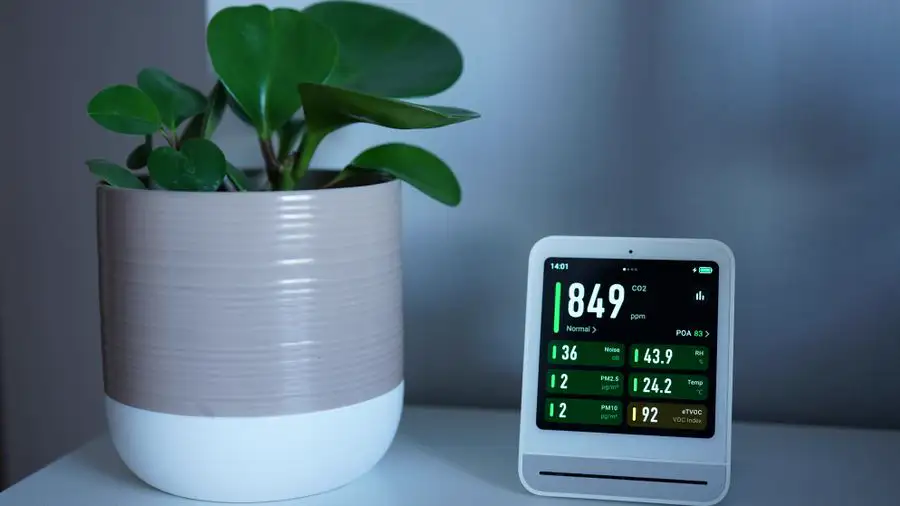
36-second explainer. What the EPA says about UV lights and what to try for cleaner indoor air first.Stock footage via Pexels. Music: “Learn to Fly (Instrumental Version)” by Josh Woodward (Instrumental Versions) (Jamendo, CC BY). All credits.Stock photo, not our work. Photo by Tim Witzdam via Pexels.
The EPA's guidance starts with something other than a device: the most effective ways to improve indoor air are to reduce or remove pollutant sources and to ventilate with clean outdoor air, and filtration supplements those. For a central system the EPA suggests a filter rated at least MERV 13 or as high as your system can accommodate (EPA air cleaner guide).
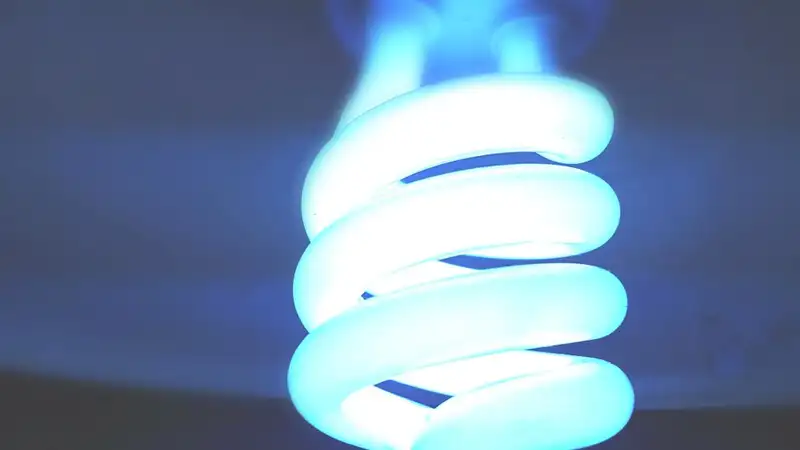
On UV, the EPA is specific and cautious. Ultraviolet germicidal irradiation lamps may destroy viruses, bacteria and some molds on moist HVAC surfaces such as coils, drain pans and ducts, but typical home units have limited effectiveness, and dead mold spores can still cause allergic reactions, so UV may not reduce allergy and asthma symptoms (EPA on UV and mold). It adds that research has not shown UV light removes gases effectively, and that UV lamps without adequate lamp coatings may emit ozone, a lung irritant (EPA air cleaner guide).
A professionally designed and well-maintained HVAC UV system can effectively kill the virus that causes COVID-19, but not by itself, and UV technology not designed for indoor air disinfection can expose eyes and skin to hazardous radiation (EPA on HVAC UVGI). In a house, that means: consider a UV coil light only for a documented growth problem on the coil, and have a licensed professional install it.
Indoor air quality and UV lights: the parts this job touches
1ThermostatThe wall control. It tells the system when to run.
2Air filterCatches dust before the air reaches the blower and coil.
3Indoor unit: blower and evaporator coil on this pageThe blower moves the air; the cold coil cools it.
4Ducts and ventsCarry cooled air to the rooms and bring return air back.
5Condensate drain line, pan and float switchCarries off the water the coil pulls out of the air.
6Outdoor unit: compressor, fan and condenser coilMoves the heat from your house to the outdoors.
7Breaker panel and outdoor disconnectThe power feed to the system, and its local shut-off.
8Refrigerant linesTwo copper lines that link the indoor coil to the outdoor unit.
Simplified drawing, not to scale. Real systems vary: the indoor unit can sit in an attic or closet, the ducts can run in the attic or under the floor. Original illustration, not a photo.
Doing the math
Ask any salesperson for the model, the lamp's ozone certification and the replacement schedule, and ask what problem the light is meant to solve. If the answer is general air quality, the EPA says source control, ventilation and filtration come first, and that is cheaper. We cannot quote a price, so ask what problem the light solves before you compare prices.
2DIY troubleshooting guides for this job
820HVAC businesses with an active Florida license in the ring
Noneutility rebate programs listed for this job
Check these yourself first
The free steps are the EPA's: ventilate, control sources and change the filter, using the rating your system can accommodate. If the AC leaks or the pan has standing water, our drain page covers the moisture cause of mold.
HVACPro is a free referral service for homeowners, not an HVAC company. We don't do the work, and we may be paid by the contractor. Check any contractor's license on the state's lookup before you hire.
Pick your city
Every city below has an A-to-Z list of the businesses with an active Florida HVAC license there. The number on each chip is that count.
HVACPro is a free referral service for homeowners, not an HVAC company. We don't do the work, and we may be paid by the contractor. Check any contractor's license on the state's lookup before you hire.
The EPA suggests a filter rated at least MERV 13 or as high as your system will accommodate (EPA air cleaner guide). Ask your technician what your blower can handle, and change it on schedule.
Do UV lights in an AC kill mold?
The EPA says UV cleaners may destroy some molds on HVAC surfaces such as coils, drain pans and ducts, but typical home units have limited effectiveness, and dead spores can still cause allergic reactions (EPA on UV and mold).
Are UV air purifiers safe?
The EPA warns that UV lights without adequate lamp coatings may emit ozone, a lung irritant (EPA air cleaner guide), and that UV not designed for indoor air disinfection can expose eyes and skin to hazardous radiation (EPA on HVAC UVGI).
How do I get rid of a musty smell from the vents?
Look for moisture first: a clogged drain, a wet pan or a humid house. The EPA says to keep AC drip pans clean and drains unobstructed, and not to run an HVAC system you know or suspect is contaminated with mold (EPA mold and moisture guide).
These questions come from the topic clusters below in our research on 2,095 mined questions (Filters, cleaning, maintenance, tune-ups: 60; Burning, musty or odd smells: 44; High humidity / muggy house: 15). The wording and answers are ours; we do not republish anyone's post.
820
HVAC businesses with an active Florida license in the Tampa Bay outer ring